
Vetnews | June 2026
Silent Poison: What Giraffe research is teaching us about hidden threats in wildlife health
Dr Zandre van Selms
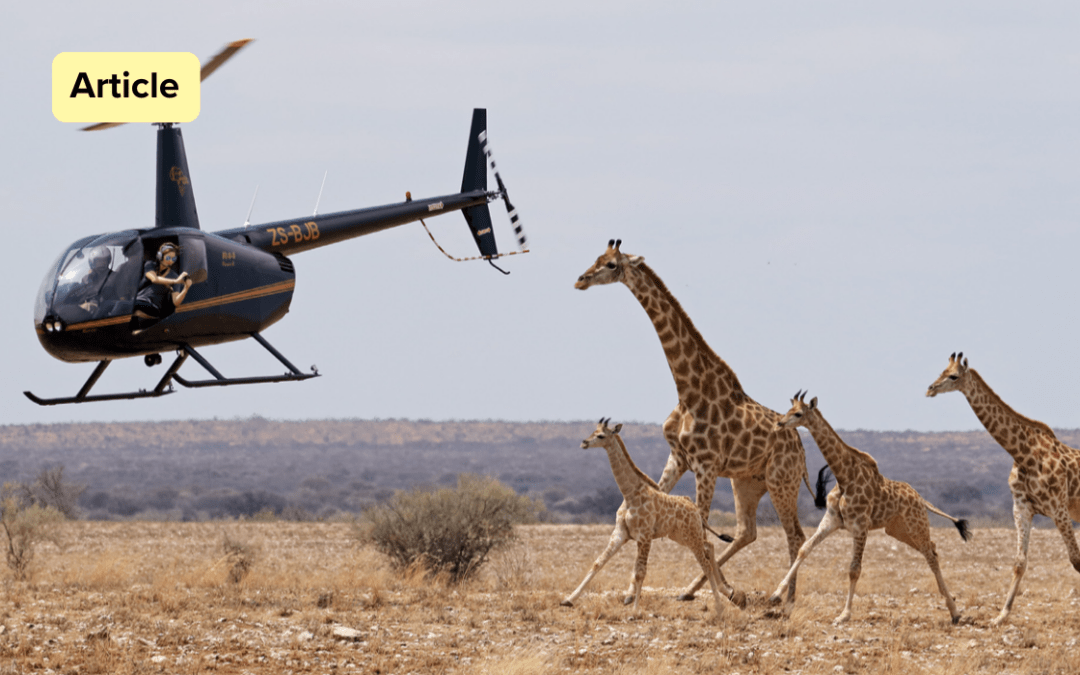
When veterinarians think about the major threats wildlife populations are facing, the usual suspects come to mind: infectious diseases, habitat destruction, poaching, drought, and nutritional stress. Yet, emerging research suggests that another danger may be quietly affecting wildlife health— environmental contamination by toxic substances. Unlike an infectious outbreak, toxic exposure often develops slowly, silently, and without obvious clinical signs until long-term damage has already occurred. Two recent studies conducted on giraffes in South Africa’s Rooipoort Nature Reserve have highlighted how complex the interaction between nutrition, habitat selection, and environmental contamination can become. Together, these studies provide valuable insight into how animals balance energetic demands with habitat utilisation, while also revealing how the same survival strategies may unintentionally expose wildlife to chronic toxic threats. For wildlife veterinarians working in wildlife production systems, conservation medicine, and ecosystem health, these findings are increasingly important.
They reinforce the growing reality that animal health cannot be separated from environmental health. The first study focused on giraffe movement ecology and energetic demands within Rooipoort Nature Reserve. Using GPS tracking collars and habitat utilisation analysis, researchers evaluated how giraffes selected habitats and browse species throughout changing seasonal conditions. The findings demonstrated that giraffes repeatedly preferred areas containing nutrient-rich browse plants such as camel thorn, buffalo thorn, and umbrella thorn trees. These species provide the critical protein and energy requirements required to sustain body condition, optimal reproduction, and survival during periods of environmental stress. From a veterinary and physiological perspective, these findings are highly relevant. Nutritional ecology directly influences immune competence, reproductive performance, growth, and resilience against disease. Understanding habitat selection, therefore, extends beyond behaviour — it becomes fundamental to the understanding of long-term population health. However, the second study introduced a concerning and unexpected dimension to this ecological picture. Researchers investigating heavy metal contamination within the same reserve identified elevated concentrations of toxic metals, particularly thallium, in both browse vegetation and water sources utilised by giraffes. Alarmingly, many of the same tree species preferentially selected for their nutritional value also contained measurable heavy metal concentrations. Thallium is especially concerning because of its high toxicity and ability to bioaccumulate within biological systems. Although acute poisoning may produce overt neurological and gastrointestinal signs, chronic low-level exposure is far more difficult to detect in free-ranging wildlife populations.
Animals may continue feeding, reproducing, and appearing clinically normal while experiencing a gradual physiological decline over time. The study suggested that giraffes may unknowingly be caught in what ecologists refer to as an “ecological trap.” The very resources that maximise survival during periods of nutritional stress may simultaneously increase toxic exposure. In other words, giraffes are selecting the best available forage from a nutritional standpoint, yet those same browse species may carry hidden toxic burdens.
For veterinarians, this raises important questions regarding unexplained subclinical disease processes in wildlife populations. Chronic heavy metal exposure has been associated with immunosuppression, reduced fertility, organ dysfunction, oxidative stress, neurological impairment, and poor long-term fitness across multiple species. These effects may not immediately present as obvious mortality events, making them easy to overlook during routine wildlife assessments. In wildlife medicine, unexplained reproductive decline, poor calf survival, altered behaviour, reduced disease resistance, or poor body condition are often attributed primarily to nutrition, parasites, infectious disease, or environmental stress. While these factors remain critically important, toxicology may represent an underappreciated component of the diagnostic picture. What makes the Rooipoort findings particularly significant is that they occurred inside a protected reserve that would outwardly appear ecologically healthy. This challenges a common assumption in conservation medicine — that protected status automatically equates to environmental safety. Pollution pathways may originate from historical mining activity, agricultural runoff, atmospheric deposition, industrial contamination, or complex geological processes that persist long after initial exposure sources are forgotten. The implications extend far beyond giraffes alone. Similar processes may be affecting antelope species, elephants, predators, birds, and even livestock sharing overlapping ecosystems.
The intersection between wildlife health, livestock production, environmental toxicology, and ecosystem monitoring is becoming increasingly important under the broader One Health framework. As environmental pressures continue to intensify across Africa, veterinarians are likely to play an increasingly important role in ecosystem surveillance and early detection of emerging threats. Wildlife health monitoring can no longer focus exclusively on pathogens and visible disease. Environmental toxicology, nutritional ecology, and habitat quality assessment may become equally important tools for understanding population health dynamics. This is where collaborative partnerships between researchers, veterinarians, conservationists, and industry become essential. Companies that support scientific research and field-based conservation initiatives can contribute meaningfully to the advancement of wildlife health knowledge. V-Tech’s involvement in supporting ongoing research initiatives with these investigators reflects a growing commitment within the veterinary industry to contribute not only products and technologies, but also practical support for scientific investigation and long-term ecosystem health monitoring. Ultimately, the greatest danger posed by toxic contamination may be how easily it escapes detection. A reserve may appear pristine on the surface while carrying invisible physiological risks underneath. The Rooipoort studies remind us that conservation is not only about protecting animals from visible threats; it is also about understanding the hidden environmental pressures shaping wildlife health every day. For veterinarians, these findings serve as an important reminder: when evaluating wildlife health challenges, the silent poisons within ecosystems may deserve far more attention than we currently give them. Acknowledgements Special acknowledgement is extended to Prof. Francois Deacon and his team from the University of the Free State for granting permission to reference the published studies and for personally providing images used in support of this article. His contribution to ongoing giraffe ecological and toxicological research is greatly appreciated.
References
• Deacon, F., et al. “How Energetic Demands and Habitat Utilisation Can Make or Break Giraffes.”
• Deacon, F., et al. “Heavy Metal Contamination in Giraffes and Their Environment in Rooipoort Nature Reserve.” Environmental Advances, 2023, Volume 13, 100430.
Thank you to Vetnews for the feature.